
National Traffic Awareness Month: Back-to-School Roadway Safety Tips
As August marks National Traffic Awareness Month, families and drivers begin preparing for the shift that comes with the start of a new school year. Roads grow busier, school zones become active again, and daily routines adjust to accommodate earlier mornings and increased traffic. This transition creates an important opportunity to refocus on safe driving habits that help protect students, parents, and the community.
The return to school brings more pedestrians, cyclists, school buses, and inexperienced teen drivers onto the road. With so many changes happening at once, staying attentive and cautious becomes essential. A little added awareness can make a significant difference in keeping everyone safe as the new school year begins.
Why Back-to-School Season Brings Additional Risks
Once summer ends, streets that were previously calm quickly fill with school-day activity. Morning and afternoon periods become especially busy as walkers, bikers, and buses move through school zones and surrounding areas. These shifts increase the likelihood of unexpected stops, pedestrian crossings, and congested intersections.
Younger children may not yet have the judgment or experience to handle these situations independently, which makes it even more important for drivers to anticipate sudden movements. Understanding how traffic patterns change during this season is the first step in reducing accidents and promoting safer driving habits.
What Drivers Should Know About School Bus Safety
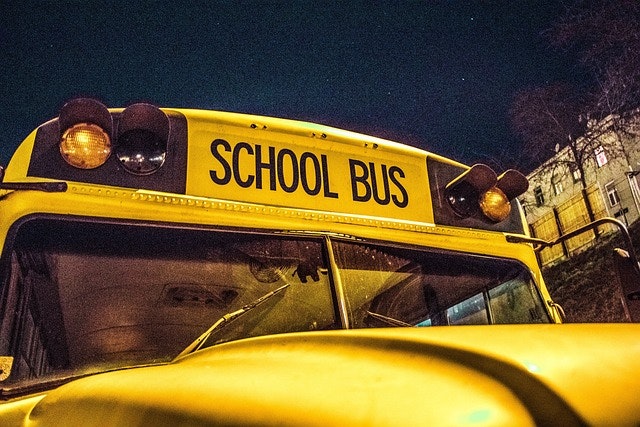
School buses are essential for transporting students, but they require drivers to be extra cautious. The areas closest to the front and back of a bus—within about 10 feet—are the most dangerous because children are often harder to see. Keeping a safe distance helps ensure drivers have enough time to react when buses stop.
Children may cross the street without warning or step out from areas where visibility is limited. By slowing down, remaining patient, and being prepared to stop whenever a bus extends its signals, drivers help create a safer environment for young passengers.
Navigating Roads With Pedestrians and Young Cyclists
With more children choosing to walk or ride bikes to school, drivers must pay close attention to crosswalks and neighborhood routes. Always give pedestrians the right of way at designated crossings, and never drive past a vehicle that has stopped to allow someone to cross. This small act helps protect individuals who may not be visible until it’s too late.
Young cyclists may act unpredictably and could ride into the road from behind cars or down driveways. Drivers should reduce speed in areas where bikes are common and stay alert to avoid sudden hazards.
Even after parking, drivers should check for approaching cyclists before opening car doors. This simple habit helps prevent accidents and supports safer shared roadways.
Safer School Drop-Off and Pick-Up Routines
Drop-off and pick-up lines are often the most hectic areas during the school year. Following your school’s procedures helps ease congestion and keeps traffic moving smoothly.
Consistency makes these routines safer. When all drivers follow the same rules—such as avoiding unauthorized stops and maintaining the flow of cars—everyone benefits. These small actions reduce confusion and help prevent accidents around school entrances.
Parents and caregivers play an important role in creating a safe environment. Taking a few extra moments to follow the proper steps can make a meaningful difference for all children in the area.
Helping Children Build Safe Road Habits
Although drivers hold much of the responsibility, teaching children their own traffic safety skills is essential. Most young kids, especially those under the age of 10, need supervision when near busy streets. Clear guidance helps them learn how to navigate these environments responsibly.
Encourage children to stop and look in both directions before crossing any street. Using marked crosswalks improves visibility and reinforces the importance of safe habits.
Proper gear also contributes to safety. When riding bicycles or scooters, children should wear helmets and protective pads. Reducing distractions—such as avoiding mobile device use—helps them stay focused when near vehicles.
Building these habits early helps children stay safer now and supports smarter, more confident decision-making as they grow and eventually travel independently.
Everyone Plays a Part in Road Safety
Safety during the back-to-school season depends on the combined efforts of drivers, families, and students. Staying present, observing traffic laws, and watching out for others helps minimize risks on the road.
Even small decisions—such as easing off the gas in school zones or taking a moment to scan for pedestrians—contribute to a safer community. These choices reflect a shared commitment to protecting children and other vulnerable individuals.
As traffic patterns shift during the beginning of the school year, being proactive and consistent in your safety habits helps prevent accidents and supports a smoother transition for everyone.
Staying Ready Throughout the School Year
Heading back to school doesn’t have to mean an increase in danger on the roads. With careful attention and intentional driving, families and motorists can navigate this busy season safely. Awareness of potential risks and a commitment to safe habits create a more secure environment for everyone.
If you have questions about roadway safety, legal responsibility, or ways to protect your family, our team is here to help. Reach out for information and guidance designed to help you stay informed and safe throughout the school year.