
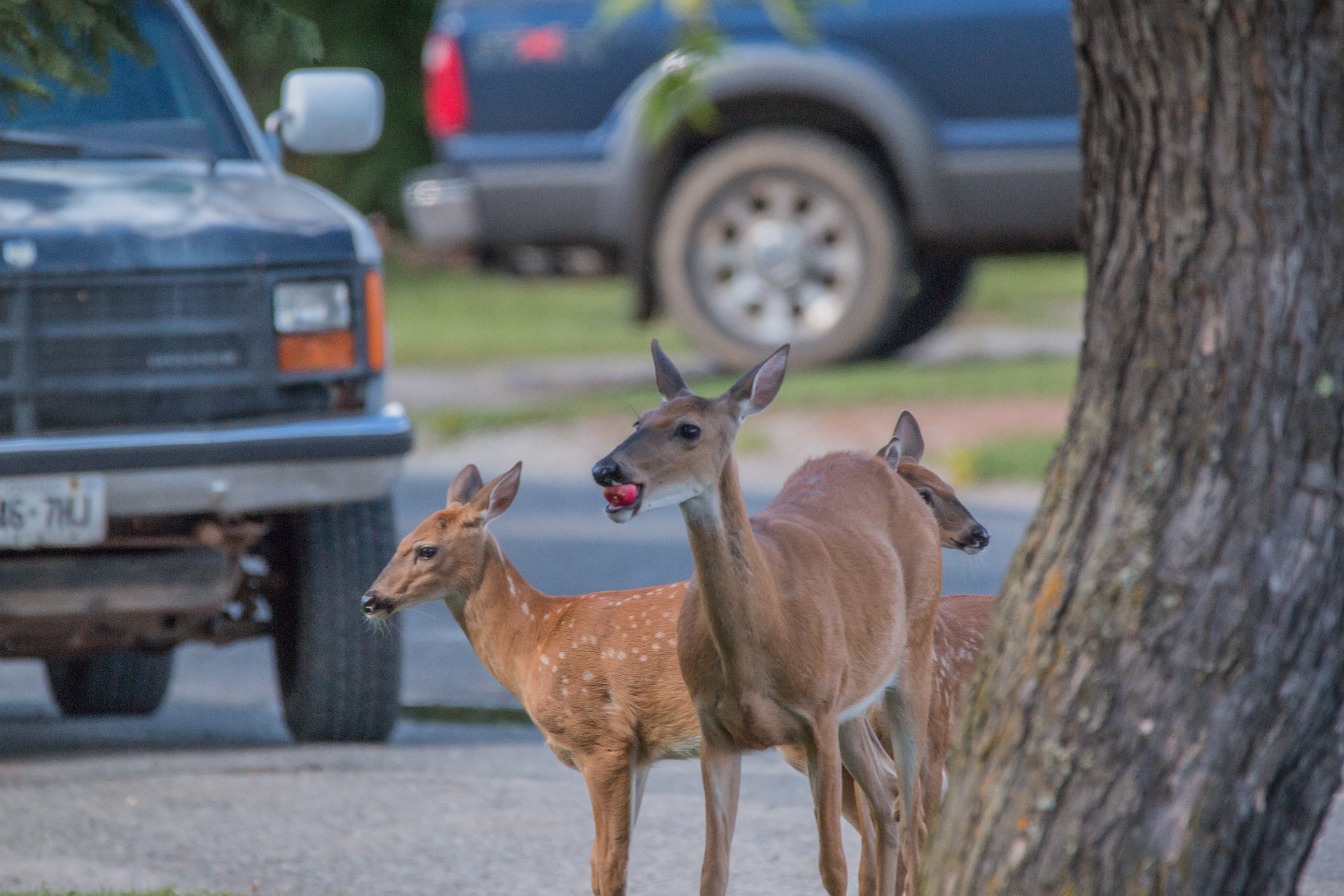
Deer Collision Safety Tips for Drivers
As the fall season arrives and daylight fades earlier each day, the likelihood of encountering deer on the road grows significantly. With their activity increasing during dawn, dusk, and evening hours, drivers face a higher risk of unexpected roadway crossings. Staying prepared and understanding how to respond can make a major difference in preventing accidents and protecting everyone in your vehicle.
While no driver plans to face a deer-related collision, knowing how to reduce the risk and what steps to take after an incident can help you stay safer during peak deer season. The reminders below offer a clear, refreshed overview of essential precautions and post-accident actions.
Why Deer Collisions Spike During Fall
Deer movement rises sharply between October and December, creating more opportunities for sudden roadway encounters. During this time, deer frequently cross highways and rural roads, especially when light levels are low. These dim conditions can make animals harder to see until they are already close to the roadway.
Drivers should be particularly mindful around sunrise, sunset, and the hours immediately following nightfall. Limited visibility during these times increases the difficulty of spotting deer near wooded areas, medians, or tree lines. Remaining attentive during these high-risk windows is one of the most effective ways to minimize the chance of a collision.
Be Extra Watchful in Areas Where Deer Are Common
Improving safety begins with developing strong awareness of your surroundings. Instead of watching only the road directly ahead, make an effort to keep an eye on both sides of the roadway for movement or reflective eyes.
This habit is especially important along rural roads, open fields, forested corridors, and any area marked with deer-crossing signs. These signs indicate locations where deer frequently travel, reminding you to reduce your speed and stay alert. Limiting distractions—such as mobile devices or unnecessary in-car activity—can also provide extra reaction time if a deer enters your path without warning.
Reduce Your Speed for Added Reaction Time
Traveling at a reasonable pace is a key factor in avoiding deer accidents. Lower speeds make it easier to identify hazards, slow down gradually, and maintain full control of your vehicle.
This is particularly important on two-lane roads, country highways, and areas surrounded by open land or thick vegetation, where deer may leap into the roadway unexpectedly. Even decreasing your speed slightly can create valuable seconds that may allow you to brake safely and prevent a collision.
Use Headlights Strategically
Proper use of headlights is essential when driving after dark. On roads without approaching traffic, switching to high beams can help illuminate a greater distance and increase your ability to spot deer early.
If a deer becomes visible, some safety experts recommend lowering your lights. Strong, bright beams may cause the deer to freeze, making it harder for the animal to move out of the roadway. Adjusting your headlights appropriately can improve visibility while helping avoid startling wildlife.
Expect More Than One Deer
A common misconception is that once one deer crosses the road, the danger has passed. In reality, deer often travel in small groups, and additional deer may cross moments after the first.
Instead of accelerating right away, slow your speed and continue checking the surrounding area. Remaining cautious for just a few extra seconds can prevent a second, unexpected encounter.
Brake Safely Rather Than Swerving
If a collision seems unavoidable, you may instinctively try to swerve to miss the animal. However, leaving your lane suddenly can be far more dangerous than braking directly ahead.
Swerving can lead to crashes with oncoming vehicles, trees, ditches, or roadside barriers—often resulting in more severe consequences. The safest action in most scenarios is to grip the steering wheel securely, apply steady braking, and remain within your lane.
Don’t Depend Solely on Deer Whistles
Some drivers use deer whistles or similar tools in hopes of preventing encounters, but these devices are not a replacement for attentive driving. Safe habits—like scanning the road edges, reducing speed in high-risk locations, and braking safely—remain the most reliable defenses.
Sounding your horn may sometimes encourage a deer to move, but your focus and awareness are still the best tools for avoiding collisions.
Steps to Take After a Deer Collision
Even careful drivers may still experience a deer collision. If this happens, keeping safety as your priority is essential. If you can, move your vehicle away from traffic and activate your hazard lights to alert approaching drivers.
Check for injuries among yourself and your passengers, and contact emergency services if anyone requires medical help. Depending on local regulations, notifying law enforcement may also be required. Avoid approaching the deer, as injured animals can react unpredictably and pose danger.
When it is safe, take photos of any damage for insurance documentation. These images can help when filing a claim with your insurance provider.
Understanding Insurance Coverage for Deer Collisions
Many drivers are unaware that deer-related damage is typically handled differently than standard vehicle accidents. In most situations, repairs from striking a deer fall under the comprehensive coverage portion of an auto policy rather than collision coverage.
Drivers who carry only liability insurance usually do not have coverage for repairs to their own vehicle after hitting a deer. Because policy details vary, reviewing your coverage ahead of time is important. Understanding what protections are included—and whether adjustments may be beneficial—can help ensure you’re prepared before deer season reaches its peak.
If you have any questions about your auto insurance or want help reviewing your current policy, the team at A N Nunes Agency Inc is available to assist. We’re here to explain your options and help you feel more confident heading into the months when deer activity is at its highest.